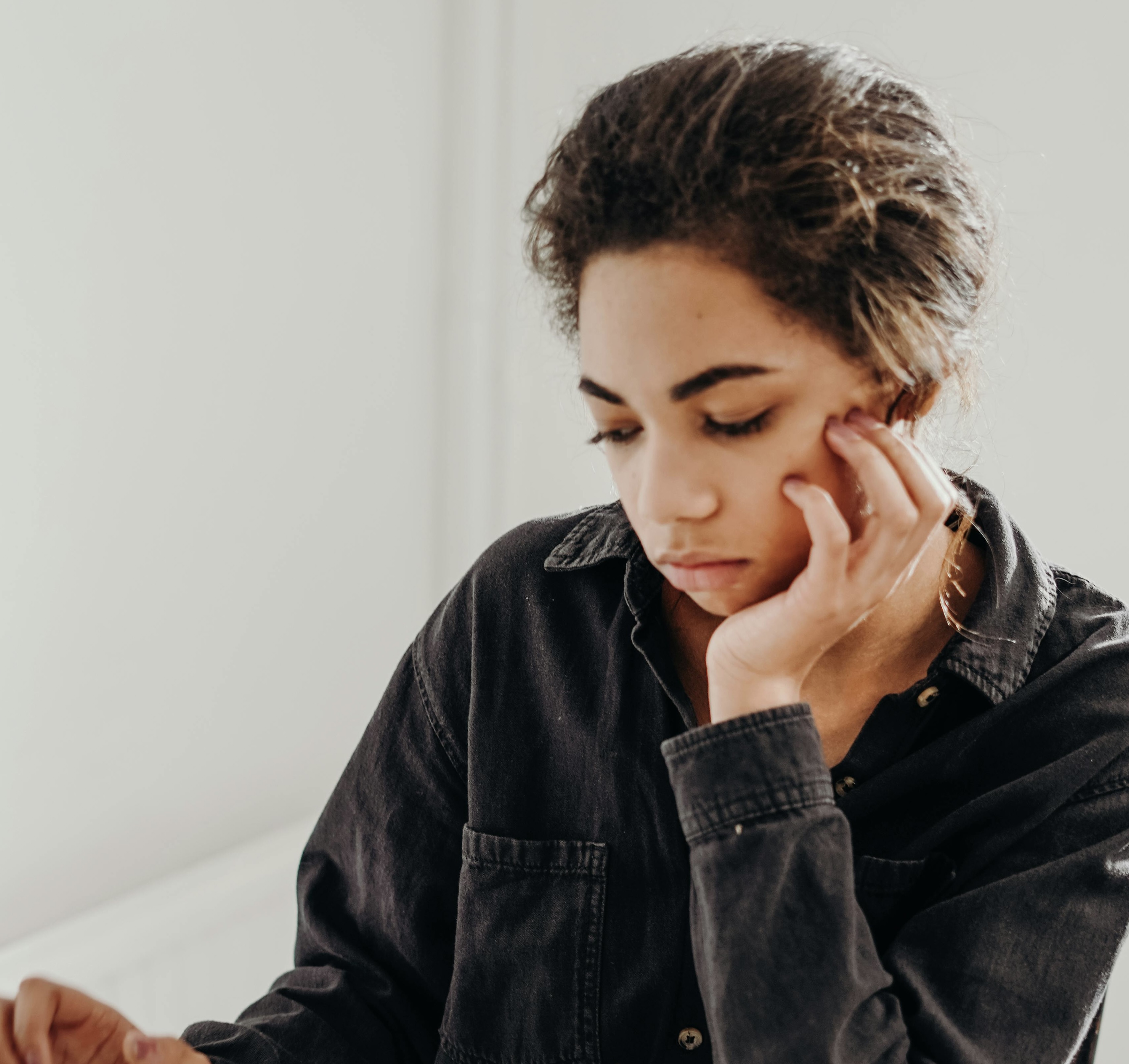
How to Identify Symptoms and Effective Holistic Treatments
The world is changing. We are faced with changes to our economy, environment, and political climate—to name a few. This often leads to a feeling of uncertainty which ultimately turns into debilitating thoughts or rumination.

These anxious thoughts might also be related to relationships, changes in personal lives, or stress while completing to-do lists.
If you find yourself feeling overwhelmed, you’re not alone. In fact, 40 million Americans report that they have been diagnosed with anxiety disorders. However, with helpful tips and encouragement, you can begin to feel the heavy weight lifted and begin to live again.
What is Anxiety
Anxiety is defined as: a future-oriented mental state that results in nervousness and worrying thoughts.
People that experience anxiety might report feelings of uneasiness due to an upcoming event, conversation, or decision.
You might also feel the physical signs of anxiety such as: muscle tension, headache, and increased heart rate. If problems worsen or you are unable to do daily activities, please contact a licensed professional.
Symptoms of Anxiety
Aside from the common physical symptoms of anxiety you might also experience:
- Faster breathing
- High blood sugar
- Inability to sleep
- Stomach issues such as nausea
- Weight gain or loss
Mental and emotional symptoms of anxiety can include:
- Irritability
- Disoriented thinking
- Trouble concentrating
- Feelings of exhaustion
- Unable to relax

Causes of Anxiety
The causes of anxiety are different for everyone. This list includes different examples that might impact your mental health:
- Trauma (past or current)
- Stress related to work obligations
- Finances
- Preparing a big move
- Relationship conflicts
- Unhealthy diet
- Hormone imbalances
- Genetics
Reducing Anxiety
Decreasing or eliminating the symptoms of anxiety can be treated through the use of therapy, prescriptions, or natural remedies. For therapy and medical treatment, please consult a licensed practitioner.
Holistic Remedies for Reducing Anxiety Include:
- Practicing Mindfulness
This involves becoming entirely present in the current moment and processing thoughts and feelings. Experts suggest, processing thoughts in a nonjudgemental way encourages a sense of calmness. By remaining present, you should experience a decrease in uneasiness and nervousness.
- Exercising
Research has found that exercise helps release endorphins and decreases excessive worrying. Exercises can include walking, yoga, a light jog, or biking. By doing cardio, you might also experience an increase in confidence and overall self-image.

- Aromatherapy
Using essential oils, as aromatherapy, may reduce anxious thoughts and muscle tension. Beneficial oils include: chamomile, lavender, neroli, and rose oil. It is advisable to do a patch test and consult a medical practitioner prior to using any form of essential oil.
- Eating nutritious foods
A healthy diet—which prioritizes protein, complex carbohydrates, and limits caffeine and alcohol—can reduce the symptoms of anxiety. You should also strive to eat balanced meals, drink your recommended dosage of water, and limit processed foods.
- Journaling
Writing down your thoughts is another way to reduce uneasiness and identify the source of anxious feelings. Experts suggest, you should first choose a notebook, find a quiet place to write, and start with a prompt to begin journaling. Examples of prompts could be: “What are five things I’m grateful for?”, and “What emotions am I feeling today?”.
- Deep breathing
To encourage a more relaxed physical state, research studies suggest breathing exercises can promote relaxation and centeredness. The 3-3-3 and 4-2-6 breathing techniques are great ways to regain a sense of calm.

Remember:
If you find it hard to complete daily tasks, such as taking care of yourself or loved ones, please seek the medical advice of a licensed practitioner. Remember, you are not alone and with the right help—you’ll feel like yourself again.